Dougherty County Prepares to Mail 2026 Property Assessments
Published on July 20, 2026
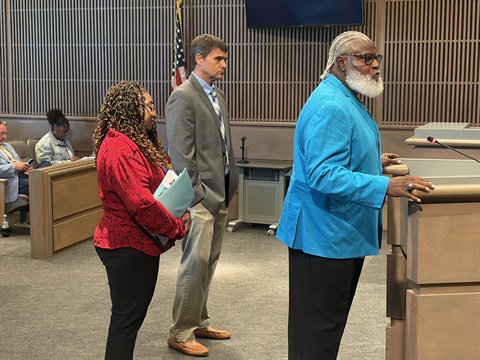
Dougherty County Preparing to Mail Property Assessment Notices Following Countywide Revaluation
(ALBANY, Ga.)-Dougherty County property owners will soon receive assessment notices as the county completes its first comprehensive property revaluation in more than a decade.
The countywide revaluation, which began in 2023, was conducted in partnership with Georgia Mass Appraisal Service (GMASS) and included field inspections and updated property data for approximately 38,000 parcels. The project is designed to ensure property assessments accurately reflect current fair market values, as required by Georgia law.
Assessment notices are expected to be mailed in early August.
County officials are encouraging residents to review their notices carefully and understand that an assessment notice is not a property tax bill.
"This has been a three-year process, and we're finally approaching the finish line," said Adam Bridges, Dougherty County Chief Appraiser. "Because it has been more than 10 years since the county's last comprehensive revaluation, many property owners will notice significant changes in their property's assessed value. We wanted to let residents know what to expect before those notices begin arriving."
Bridges said recent changes in state law have affected both the assessment process and the information property owners receive. Senate Bill 566 revised the format of the annual Notice of Assessment, while Senate Bill 581 created the statewide floating homestead exemption. Together, the new laws provide additional information for property owners, including estimated tax savings for qualifying homestead exemptions.
"The notices will look different this year," Bridges said. "We've added sample assessment notices and educational resources to the Dougherty County website to help property owners understand the changes and what the information means before they receive their notice."
District 4 Commissioner Russell Gray said the county is committed to ensuring residents have the information they need before assessment notices arrive.
"The most important thing residents should remember is not to panic when they receive their assessment notice," Gray said. "Take time to review it, ask questions if you need help understanding it and know there is an appeal process available. The county is committed to making this process as transparent as possible."
Property owners who disagree with their assessment will have 45 days from the date the notice is mailed to file an appeal.
Larry Thomas, Dougherty County Board of Assessors, emphasized that the Board of Assessors' role is limited to determining fair market value and is separate from setting property tax rates.
"Our responsibility is to assess property at its fair market value as required by Georgia law," Thomas said. "We do not establish tax rates or determine how much property taxes are collected. Our goal is to ensure every property is valued fairly and consistently across the county."
Thomas said the revaluation was necessary because property values have increased substantially over the past decade, particularly following the COVID-19 pandemic.
"Many properties have appreciated significantly over the past several years," Thomas said. "This process brings assessments in line with today's real estate market while ensuring the county remains in compliance with state requirements."
The assessment notices will also reflect changes made under Senate Bills 566 and 581. The revised notice format required by Senate Bill 566 provides additional information to help property owners better understand their assessment, while Senate Bill 581 may reduce taxable value for qualifying homeowners through Georgia's statewide floating homestead exemption. For qualifying properties, the notice will include an estimate of tax savings associated with applicable exemptions.
Shonna Josey, Dougherty County Director of Tax and Tag, said the county's property tax timeline depends on completion of the assessment and appeal process.
"Before tax bills can be prepared, assessment notices must be mailed, the 45-day appeal period must expire and the tax digest must be finalized," Josey said. "Because this is a countywide revaluation, the process is taking longer than a typical year, but we're working closely with the Board of Assessors to move through each step as efficiently as possible."
County officials emphasized that while many property owners may see higher assessed values, a higher assessment does not automatically mean property taxes will increase by the same amount.
After the appeal process is complete and the tax digest is certified, the Dougherty County Board of Commissioners will establish the county's millage rate during the annual budget process.
District 5 Commissioner Gloria Gaines said educating residents about the process is one of the Board's highest priorities.
"This process requires education and transparency," Gaines said. "We want residents to understand that property values and property taxes are not the same thing. Once the tax digest is certified, the Board of Commissioners will carefully review the county's revenue needs before determining the appropriate millage rate."
Commissioners have indicated they will review the certified tax digest and evaluate whether a rollback of the millage rate is appropriate before adopting the county's final tax rate.
To help residents prepare, the Dougherty County Board of Assessors has posted sample assessment notices, information about Senate Bills 566 and 581, and other educational resources on the county website explaining the revaluation process, homestead exemptions and the property assessment appeal process.
For more information about the 2026 property revaluation, visit www.dougherty.ga.us or contact the Dougherty County Board of Assessors.